Epoxy vs. Polyaspartic Floor Coatings: Which Is Right for You?

    Epoxy and polyaspartic are both proven concrete floor coatings, and many of the best floors use both. Epoxy offers longer working time and is the foundation of metallic finishes. Polyaspartic cures faster and resists yellowing in sunlight. This guide compares them honestly so you can choose the right system for your garage, patio, or business in Dallas–Fort Worth.

    5.0 rating from 36 Google reviews · Irving, TX 75039 · Serving Dallas–Fort Worth · 7 AM–10 PM daily

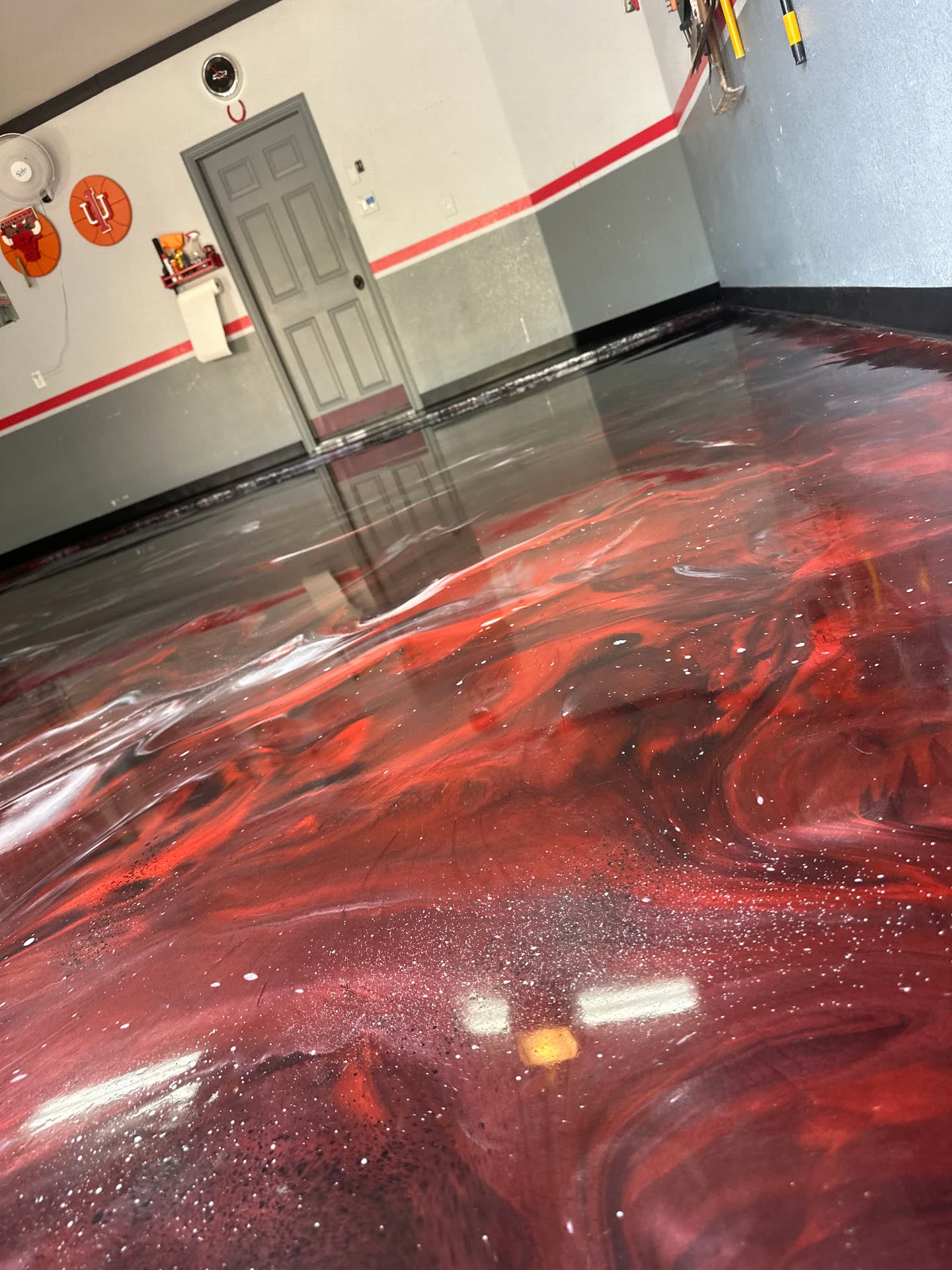
    Existing site photo of metallic epoxy garage flooring

    Get a Free DFW Epoxy Estimate

    Share your name, phone number, location, and approximate square footage so we can discuss your slab and finish options.

    (941) 780-8070
    Epoxy vs. polyaspartic at a glance
    FactorEpoxyPolyaspartic
    Cure timeSlowerFaster
    Return to serviceLonger waitShorter wait
    UV stabilityCan amber or yellow in sunlightResists yellowing
    Working time during installLongerShorter; requires an experienced crew
    Metallic finishesTypical base for metallic systemsNot typically used for metallic effects
    Flake systemsCommon base coatCommon clear topcoat
    Outdoor and sun-exposed areasLess suited without a UV-stable topcoatWell suited
    Surface preparationDiamond grinding requiredDiamond grinding required

    Cure Time and Return to Service

    The clearest difference is speed. Polyaspartic reacts and cures faster than most epoxies, so coats can be applied closer together and the floor can return to use sooner. Epoxy cures more slowly, which lengthens the wait before foot and vehicle traffic.

    Speed matters most for businesses that cannot close for long and homeowners who need their garage back quickly. Exact timing always depends on product, temperature, humidity, and the number of coats, so we confirm it for each floor.

    UV Stability and Appearance Over Time

    Many epoxies can amber when exposed to sunlight. Aliphatic polyaspartic topcoats resist yellowing, which is why they are popular in garages with open doors, patios, and other sunlit concrete. When an epoxy base is used, a polyaspartic topcoat helps protect its appearance.

    Indoors, away from direct sun, epoxy color changes are less of a concern, and epoxy remains an excellent choice for interior metallic floors, basements, and showrooms.

    Working Time and Installation Skill

    Epoxy's longer working time gives installers more time to spread, level, and manipulate material. That is essential for metallic epoxy, where pigment movement is shaped by hand. Polyaspartic's short working time means it must be mixed in measured batches and applied quickly and evenly.

    Neither product forgives poor preparation. Whichever system you choose, the crew's prep and application technique matter as much as the chemistry.

    Appearance Options

    Metallic floors are typically epoxy-based because the material stays workable long enough to create depth and movement. Flake systems commonly use an epoxy or polyurea base coat with a broadcast of decorative flake and a clear polyaspartic topcoat. Solid-color floors can be built with either chemistry, depending on use.

    With 57 Torginol blends and more than 100 color blends available, the look you want often points to the right system before performance is even discussed.

    Surface Preparation Matters for Both

    Epoxy and polyaspartic both need a mechanically prepared surface. We diamond-grind every slab, repair cracks and spalls, assess moisture, and install a moisture vapor barrier on every slab we coat. Skipping these steps is a common reason coatings peel, no matter which product is used.

    How We Help You Choose

    During a free on-site estimate, we look at your slab, sunlight exposure, traffic, chemicals, and how long you can be without the space. Then we recommend a system, which is often a hybrid: an epoxy or polyurea base for build and bond with a polyaspartic topcoat for faster cure and UV stability.

    We serve Dallas, Fort Worth, and communities across DFW. Call (941) 780-8070 or request an estimate, and we will explain the options for your floor in plain terms.

    Read the published DFW epoxy floor cost guide →

    Epoxy vs. Polyaspartic FAQs

    Is polyaspartic better than epoxy for a garage?
    It depends on the garage. Polyaspartic offers faster cure and better UV stability, which helps in sunlit garages. Epoxy offers longer working time and is used for metallic finishes. Many garage flake systems use an epoxy or polyurea base with a polyaspartic topcoat.
    Which cures faster, epoxy or polyaspartic?
    Polyaspartic cures faster than most epoxies, which shortens the time before the floor returns to service. Exact timing depends on the product, temperature, humidity, and number of coats.
    Does epoxy turn yellow in the sun?
    Many epoxies can amber when exposed to UV light. Aliphatic polyaspartic topcoats resist yellowing, so we often use them over epoxy or flake bases in sun-exposed areas.
    Can metallic floors be made with polyaspartic?
    Metallic floors are typically epoxy-based because epoxy stays workable long enough to create pigment movement. A clear topcoat may be added depending on the space and use.
    Do both coatings need surface preparation?
    Yes. Both require diamond-ground concrete, crack repair, and moisture assessment. We install a moisture vapor barrier on every slab we coat.

    Discuss Your Slab Before Choosing a Finish

    Get a free on-site estimate for epoxy floors in Dallas–Fort Worth. Call (941) 780-8070 or send your floor details.

    Get a Free Estimate